
Lower Elementary
Grades 1 through 3
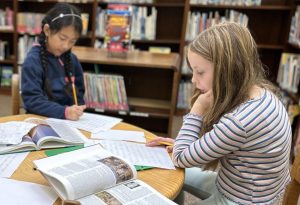
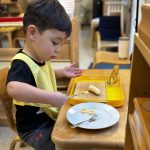
Lower Elementary is a dynamic learning environment where children’s ideas take shape. In a rich, all-encompassing academic environment, students move from hands-on exploration with concrete materials to increasingly abstract understanding and critical thinking.
As with all Thacher programs, students work to their full potential, with readiness guiding each lesson they receive. They take genuine pleasure in choosing meaningful work, collaborating with peers, and engaging in conversations. At the same time, they are accountable for producing high-quality work across all areas of study.
Upper Elementary
Grades 4 through 6
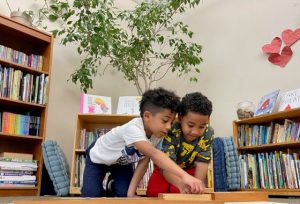
Upper Elementary is a formative stage of development where students’ physical, social, and intellectual capabilities converge. In this curriculum-rich environment, students begin to think more abstractly and work with ideas at a higher level. They explore concepts with increasing autonomy, apply skills across subject areas, and build confidence through self-directed work.
In Upper Elementary, students participate in small-group lessons and develop a stronger understanding through discussion and shared problem-solving. Responsibility grows as students plan, manage, and complete assignments by designated due dates, while collaboration enhances essential social and academic skills such as debate, compromise, and teamwork.
The Montessori environment extends beyond the classroom, encouraging students to seek answers through school resources and by “going out” into the larger community. Through these real-world experiences, they gain firsthand knowledge and learn to navigate and confidently engage with the world around them.
- Cosmic Education: This interconnected philosophy helps children understand the whole world- how it began, how it works, and how they can make a positive difference. Each lesson sparks the interest of students, encouraging them to expand their learning through collaborative projects, which include research, art, and presentations to their peers.
- Subject Areas: Through freedom of choice and repetition of lessons, students align their interests with the responsibility of practicing new concepts from all subject areas. Instruction is given through individual and small group lessons in the following subjects:
- Math
- Language
- Geography
- Biology
- History
- Geometry
- Beyond the Classroom:
- Field Trips that connect to classroom studies
- Hiking trips to local reservations
- “Going Out” trips to local establishments to gather materials for projects
- Drama Production: (Upper Elementary)
- Nature Program
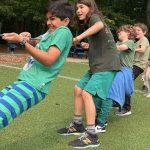
- Lower Elementary: students participate in a two-day off-campus nature program once a year, which includes team-building activities, nature and science classes, and wilderness skills. This unique opportunity enables students to apply and expand their skills in a larger physical space while exploring nature.
- Upper Elementary: students participate in a three-night, four-day off-campus nature program in the Fall of each year. The program emphasizes hands-on experiences in the natural world, including observing ecosystems, building structures in engineering activities, conducting experiments, and exploring the surrounding environment. Through these experiences, students develop curiosity, problem-solving skills, collaboration, and a deeper understanding of the natural world, while strengthening their learning in science, math, language, and environmental awareness.